Patient Capital Returns to Regional Manufacturing
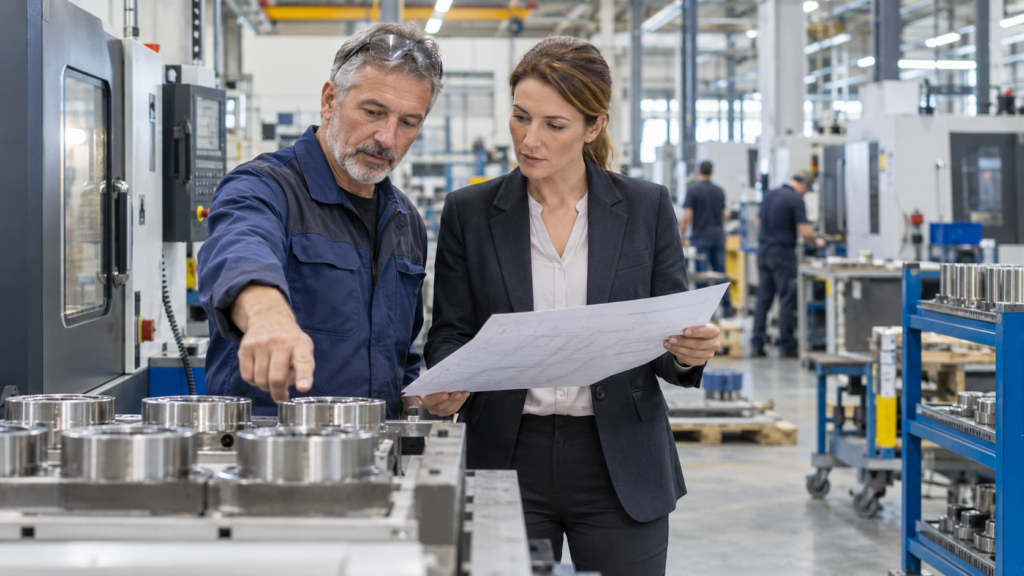
Regional manufacturers are attracting a kind of investor they rarely saw during the era of cheap money: patient capital. Instead of chasing rapid expansion, these investors are looking for durable cash flow, specialized skills, and customers that value reliable delivery. The shift reflects a broader reassessment of supply chains after years of disruption. Companies that once seemed too small or too traditional now look strategically important because they produce essential components close to their buyers.
Why the investment case has changed
Several forces are improving the economics of local production. Transportation costs remain unpredictable, customers want shorter lead times, and procurement teams are measuring the risk of distant single-source suppliers. At the same time, practical automation has become more accessible. A medium-sized factory can add machine-vision inspection, digital scheduling, or collaborative robots without rebuilding its entire operation. These upgrades raise consistency and productivity while preserving the knowledge of experienced workers.
Investors are also paying closer attention to businesses with defensible niches. A company that makes certified medical fittings or custom electrical enclosures may not grow like a software platform, but replacing it can be difficult. Its value lies in accumulated approvals, trusted relationships, and production know-how. That creates pricing power and repeat demand, two qualities that become especially attractive when economic growth is uncertain.
A different model for growth
The strongest deals are not built around aggressive cost cutting. They combine capital with operational support: better inventory data, energy-efficient equipment, leadership development, and structured sales processes. Owners approaching retirement may gain a succession path that keeps jobs and expertise in the region. Employees benefit when modernization is paired with training rather than presented as a threat.
Risks remain. Energy prices can move quickly, skilled technicians are scarce, and a single large customer can distort revenue. Sensible investors therefore examine customer concentration, maintenance backlogs, and the ability to pass on material costs. They also ask whether management can adopt new systems without weakening the culture that made the company successful.
Patient capital will not transform every factory, but it can help sound businesses compete on more than price. The renewed interest suggests that markets are beginning to value resilience alongside efficiency. For regional manufacturers, that may mean a steadier route to expansion: modernize carefully, deepen expertise, and remain close to the customers whose problems they understand best.
Local lenders and development agencies can reinforce the trend by sharing technical expertise and financing workforce programs. Their involvement gives investors a clearer view of regional conditions while helping factories plan improvements that remain useful beyond a single ownership cycle.